How to Tuck In a Shirt for Work: Full, French and Half Tucks
A full tuck, a French tuck and a half tuck each send a different signal at the office. Here is when to use each one, how to keep it flat and which fabrics cooperate.
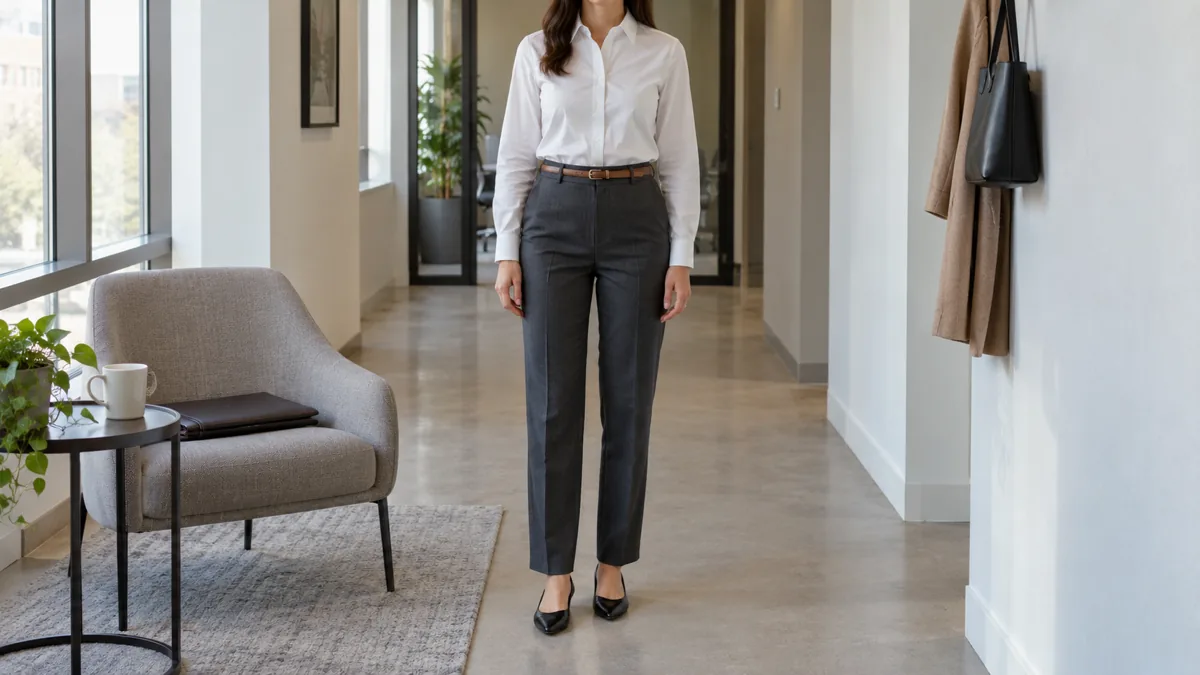
Working out an outfit for tomorrow? Save this page. It is easier to skim the night before than to remember.
At a glance
Works
- A full tuck with a belt in any business professional or interview setting
- A French tuck with a relaxed blouse in a business casual office
- Thin, smooth fabrics like cotton poplin or silk that lie flat inside a waistband
Depends
- A half tuck — reads as intentional in creative or casual offices, but too relaxed where the norm is a full tuck
- Untucked button-downs — acceptable in some business casual settings, but check whether people at your level tuck theirs
Skip
- Any tuck style with a visibly wrinkled or bunching shirt
- Leaving a collared shirt untucked in a business professional or interview setting
- Thick flannel or heavy knit fabrics forced into a high waistband
You know the shirt should probably go in. The question is how far in, which method, and whether the fabric will cooperate once you sit down.
A tuck is a formality signal. It tells the room whether you are dressed for a boardroom, a cubicle or a Friday with no client meetings. The wrong tuck for the setting does not ruin a career, but the right one removes a distraction.
Three methods cover every office scenario you will walk into.
Why a Tuck Changes How an Outfit Reads
The same white button-down sends two different messages depending on whether the hem is in or out. Tucked, the shirt defines the waist, shortens the torso line and reads as deliberate. Untucked, it reads as relaxed or off-duty.
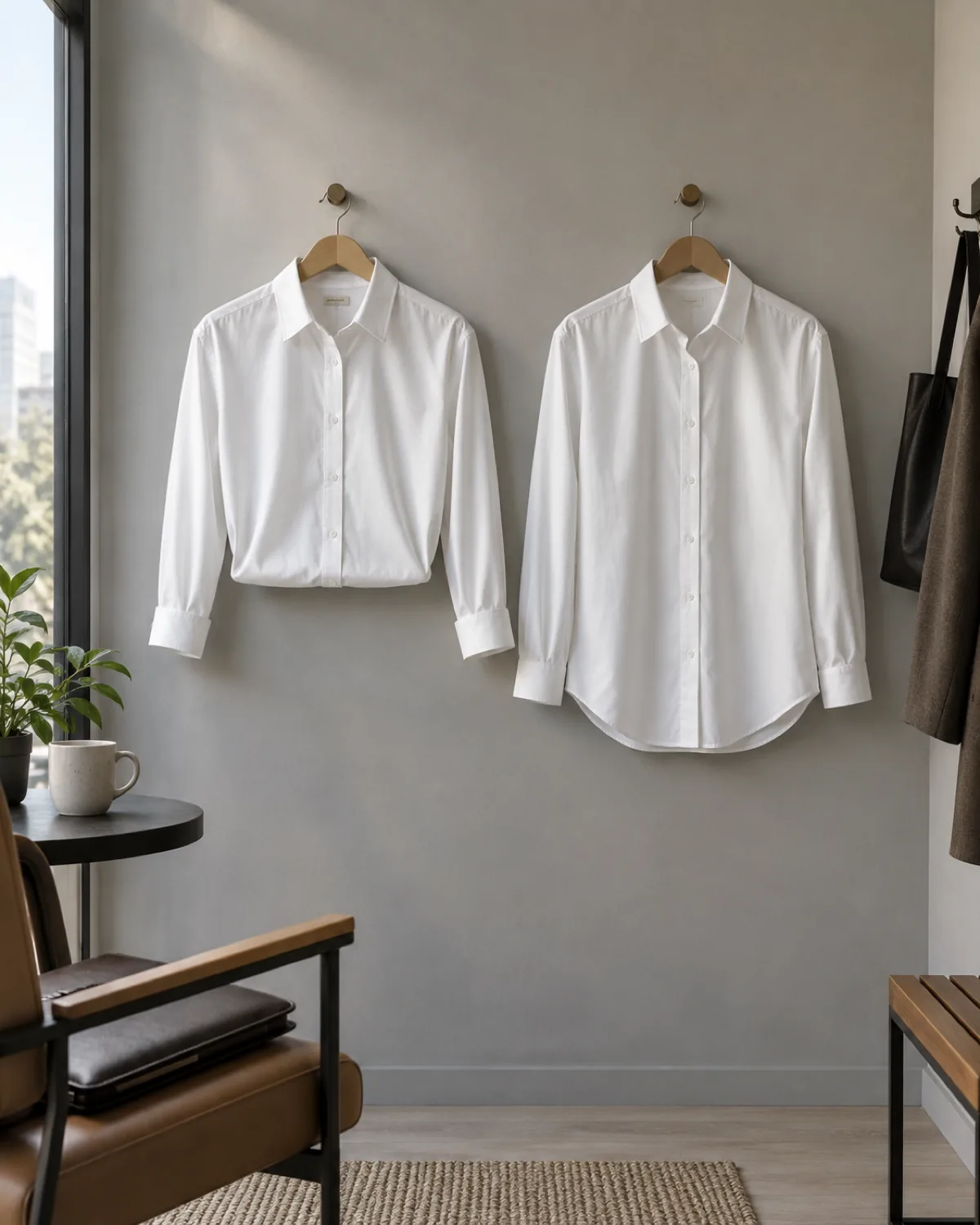
This is not about one being better than the other. It is about matching the signal to the room. Career centres put it plainly: the University of Iowa advises to "make sure to tuck in the shirt when appropriate and pair with a belt." The word that matters there is appropriate. The rest of this guide is about figuring out what that means in your office.
- A tucked shirt shows the waistband and belt, which reads as structured and intentional.
- An untucked shirt hides the waistband, which reads as casual or creative.
- Neither is wrong. The mismatch between what you chose and what the room expects is what creates friction.
The Full Tuck and When It Is Expected
A full tuck means the entire shirt hem goes inside the waistband, all the way around. No fabric is left hanging outside the trousers or skirt. Berkeley Law's dress guidelines are direct: "Your shirt should be tucked into your pants or skirt, as applicable."
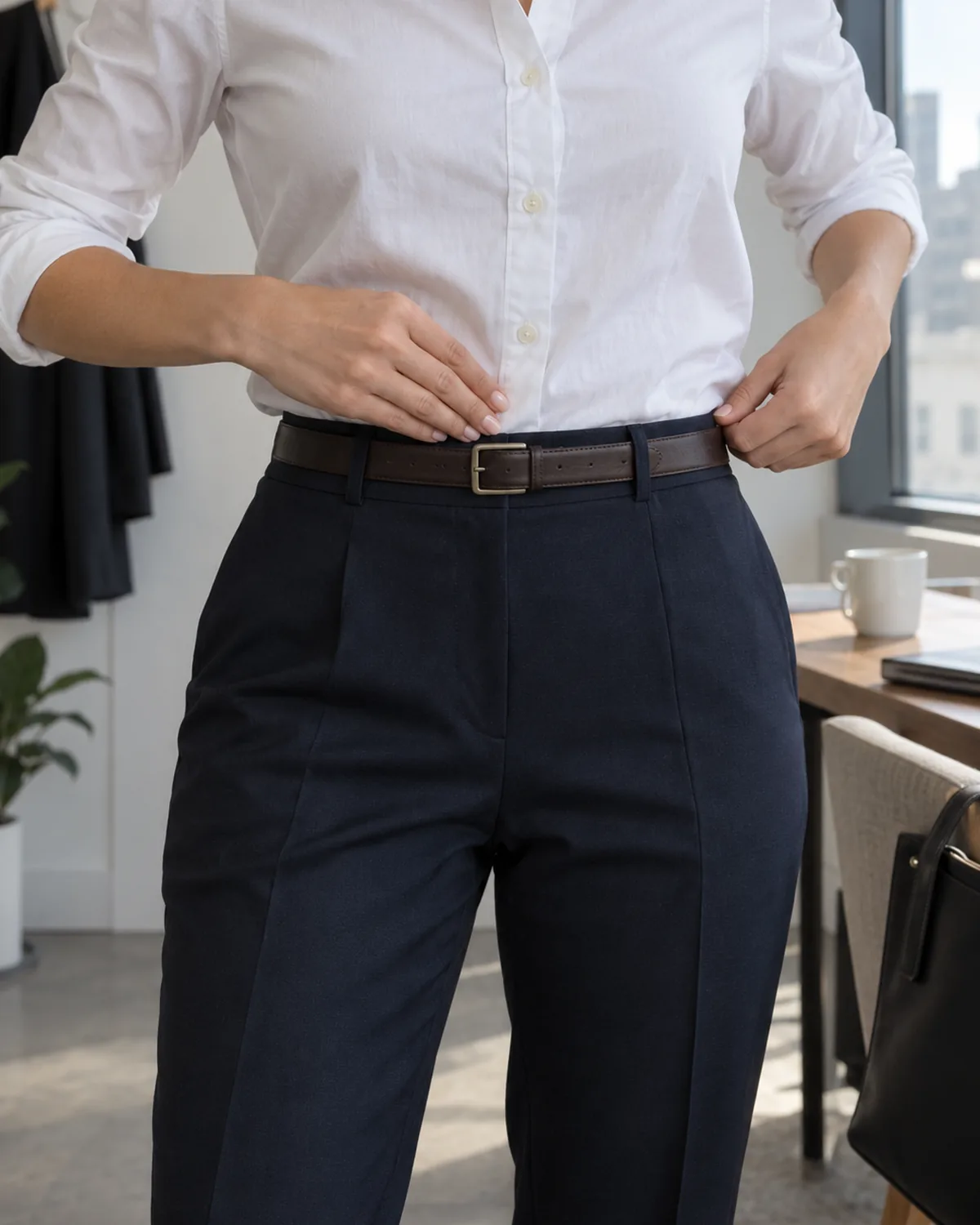
That guidance is written for interview and business professional contexts, but the principle applies whenever the environment expects structured dress. Courtrooms, client-facing meetings and conservative corporate offices all default to a full tuck.
- Unbutton the trousers, tuck the shirt in all the way around, then re-button and add the belt.
- Smooth the fabric flat against your torso before fastening the belt so there is no bunching at the sides.
- If the shirt balloons above the belt after you sit down, the shirt is too large at the waist or the fabric is too stiff for this method.
Where to start
Find your situation, skip ahead
Your office dress code says business professional or you have an interview
Full tuck, every time. Pair it with a belt and press the shirt the night before.
02 The Full Tuck and When It Is Expected05 How to Keep a Full Tuck Flat All Day
Your office is business casual or creative-leaning
A French tuck or half tuck signals awareness without stiffness. Match the method to the fabric.
03 The French Tuck: Where It Works and Where It Does Not04 The Half Tuck and Other Partial Options
The French Tuck: Where It Works and Where It Does Not
A French tuck is a partial tuck where only the front center panel of the shirt goes into the waistband. The sides and the back hang free. It creates a slight drape that shows the belt buckle without committing to the structured look of a full tuck.
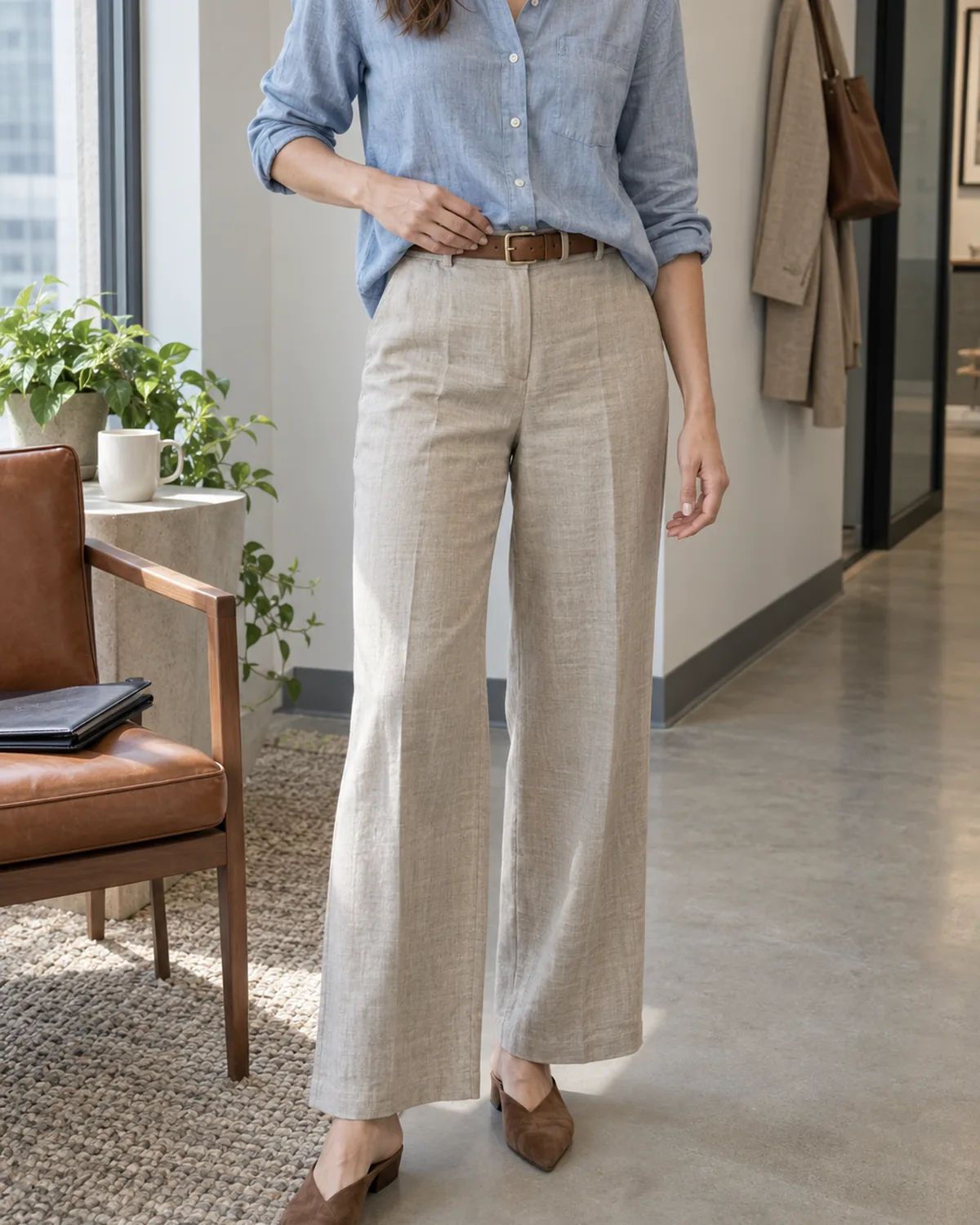
In a business casual office, a French tuck reads as polished without being rigid. In a business professional setting, it can read as too casual because the untucked sides suggest you stopped halfway.
- Grab about a hand's width of the front hem at the center button line and push it into the waistband.
- Let the rest of the shirt fall naturally. Do not push the side seams in.
- Adjust the drape so the tucked section is smooth and the loose sides have an even, gentle curve.
- This method works best with blouses and soft fabrics that drape rather than stand stiff.
The Half Tuck and Other Partial Options
A half tuck takes one side of the front hem and pushes it in while the other side stays out. The result is an asymmetric drape that reads as casual-intentional. It is the least structured tuck and belongs in offices where smart casual or creative dress is the norm.
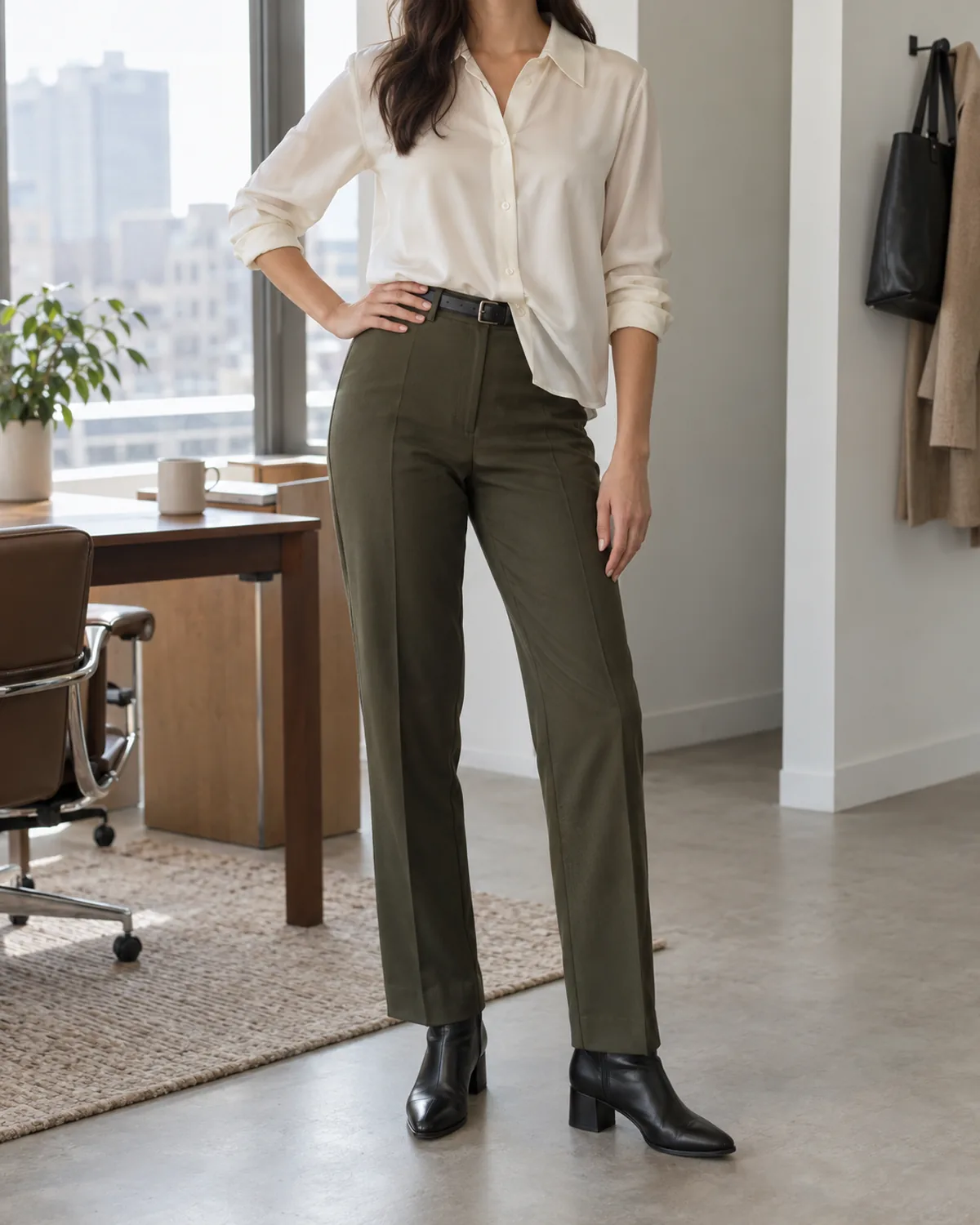
If your office expects everyone in a full tuck, a half tuck will look unfinished rather than stylish. Watch what people at your level or above wear before trying this.
- Choose the side closest to your dominant hand and push that front panel in.
- The tucked side should feel secure against the waistband but not pulled tight.
- Leave the other side and the back completely untucked.
- Pair it with high-waisted trousers so the waistband sits at or above the natural waist; a low-rise pant lets the tucked side slip out.
How to Keep a Full Tuck Flat All Day
A full tuck that comes undone by noon is worse than no tuck at all. Several techniques keep the shirt from creeping out.
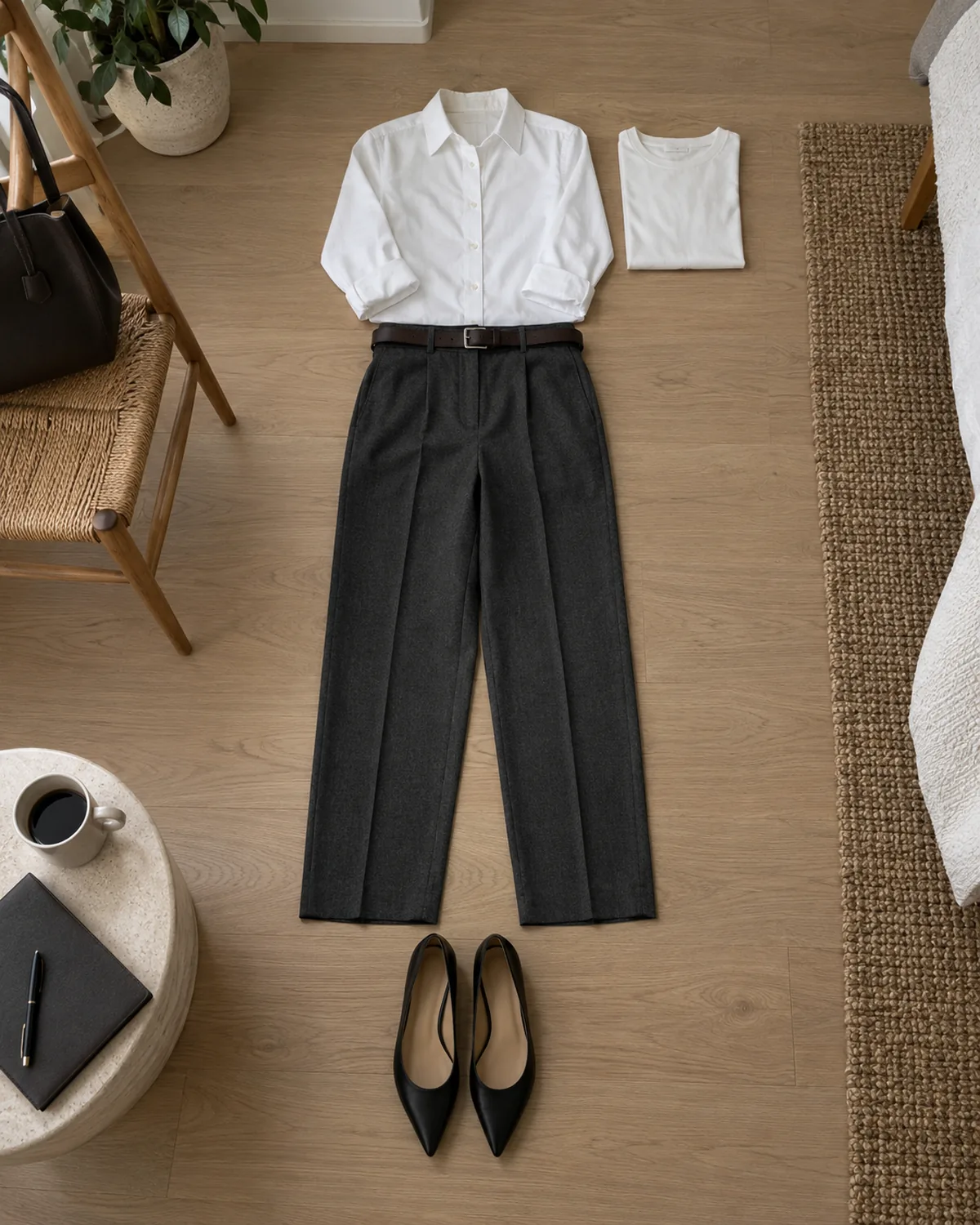
The military tuck is the simplest: after tucking the shirt in fully, pinch the excess fabric at each side seam and fold it backward toward the spine, then pull the trousers up over the folds. The result is a flat front with the extra fabric hidden at the back.
- A thin cotton undershirt worn beneath the button-down adds friction that keeps the tuck from sliding.
- Shirt stays (elastic straps that clip from the shirt tail to the sock) hold the hem down physically, but they are more common in very formal environments.
- A belt that sits snugly through every loop compresses the waistband against the tucked fabric and limits movement.
- Check the tuck after sitting for ten minutes. If it balloons, the shirt needs tailoring at the waist or a thinner fabric.
Fabric and Fit That Make Tucking Easier
Not every shirt tucks well. Thickness, stiffness and drape all determine whether the fabric will lie flat inside a waistband or bunch into a ridge.
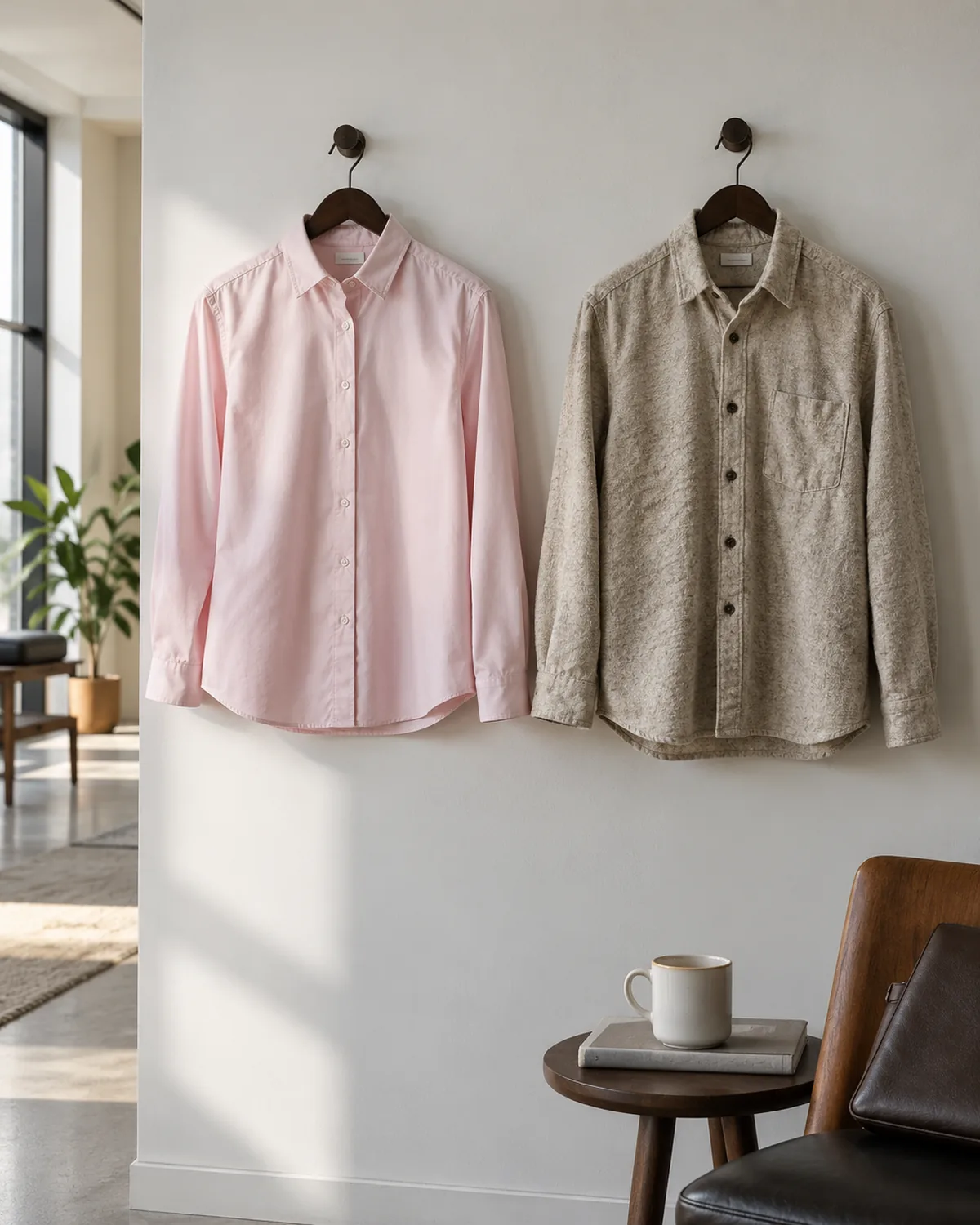
Thin, smooth cottons like poplin and broadcloth are the easiest to tuck. They compress without adding bulk and stay where you put them. Silk and silk-blend blouses also tuck cleanly because they are lightweight and slippery enough to slide against the trouser lining.
- Flannel, heavy twill and thick knits resist compression. Forcing them into a waistband creates visible bulk at the sides.
- Oversized shirts have more fabric to manage. If the shirt is more than one size up from your fitted measurement, a full tuck will bunch.
- The shirt hem should reach at least to your hip bones when untucked. Shorter hems pull free when you raise your arms.
- A white shirt in cotton poplin is the single best garment to learn tucking on because the fabric cooperates and any bunching shows immediately.
Skirts, Dresses and When Tucking Rules Change
Tucking a blouse into a skirt follows the same principles as tucking into trousers, but the waistband is often narrower and the fabric interaction is different.
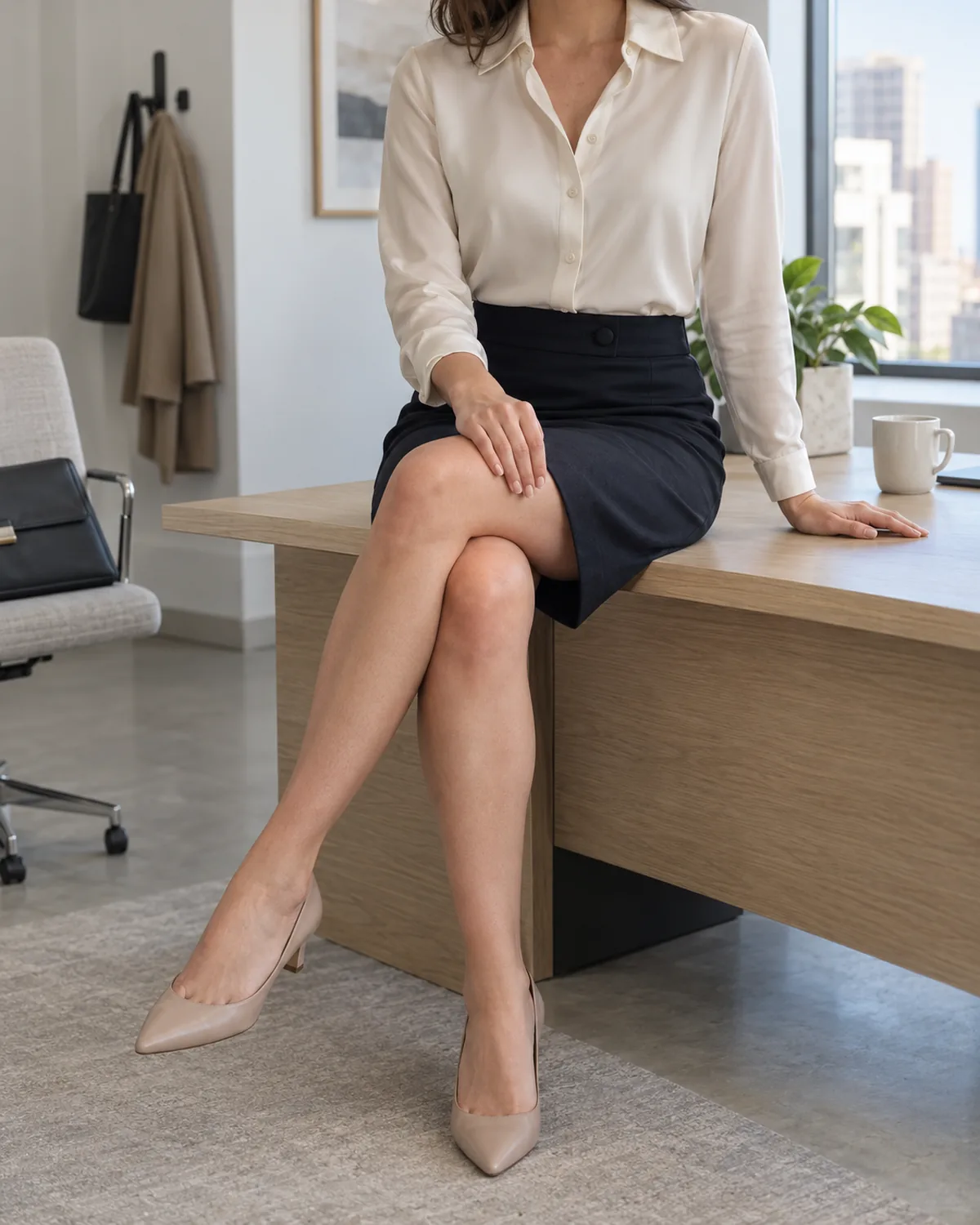
Pencil skirts with a firm waistband hold a full tuck well. A-line skirts with a thinner waistband may need a belt to keep the blouse from creeping. Georgia Southern University's professional appearance guide lists a "collared shirt tucked in" as the standard for educator dress. The same applies in any office that expects a polished look with a skirt.
- Tuck the blouse before zipping the skirt. Tucking after the zip is fastened pushes too much fabric into a closed space.
- A French tuck does not work well with most pencil skirts because the loose sides break the slim silhouette the skirt is built to create.
- Dresses eliminate the tuck question entirely. If tucking frustrates you consistently, a sheath dress achieves the same streamlined shape without any waistband negotiation.
Reading Your Office Before You Decide
The right tuck is the one that matches the room. No guide on the internet can tell you what your specific office expects.
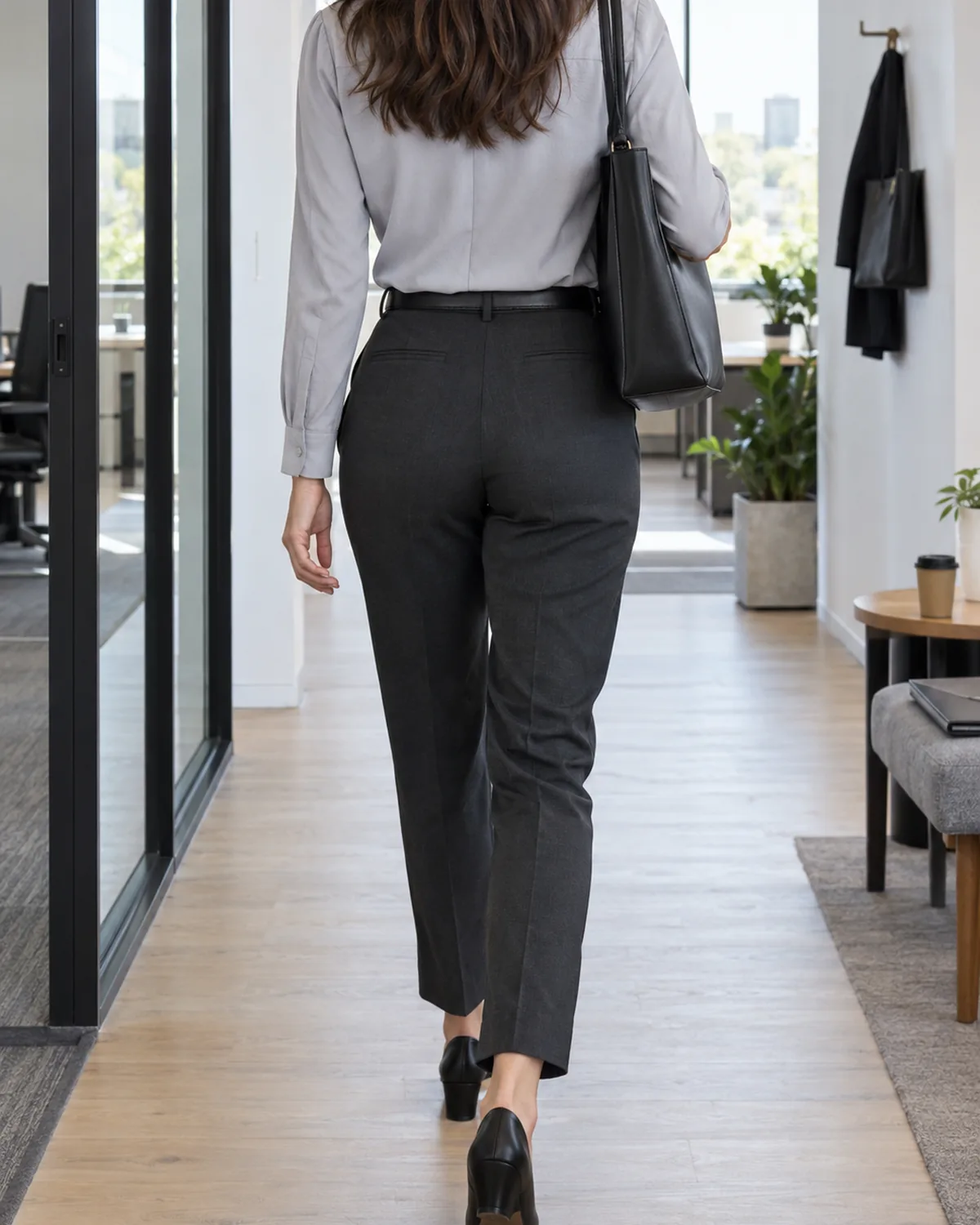
Before your first day or after a dress code change, look at people at your level or one level above. Not the intern who started last week and not the founder who wears whatever. The middle of the hierarchy is where the unwritten norms live.
- If everyone tucks fully and wears a belt, that is the baseline. A French tuck will stand out as too casual.
- If half the office is untucked and the other half uses a French tuck, a full tuck will not be wrong but it may feel overdressed.
- If your office has a written dress code, it outranks anything here. Read it first, then use this guide to execute what it asks for.
- When in doubt, start with a full tuck. You can always loosen it. Going the other direction is harder.
Shirt Tucking FAQ
Should you tuck in a shirt for a job interview?
Yes. Default to a full tuck for any interview unless the company has explicitly told you the environment is very casual. Berkeley Law's guidance states that "your shirt should be tucked into your pants or skirt, as applicable." An interview is the one setting where overdressing slightly is always safer than underdressing.
Can you French tuck a dress shirt?
You can, but it works better with a relaxed blouse than with a traditional button-down. Dress shirts have longer, curved hems designed to stay tucked all around, so leaving the sides out can look like the shirt came untucked by accident rather than by choice.
Does tucking in your shirt make you look thinner?
Tucking defines the waistline and creates a visual break between torso and legs, which can make proportions look clearer. Whether that reads as slimming depends on the trouser rise, the belt placement and the fabric thickness. A bulky tuck adds width at the waist and works against the effect.
Is it unprofessional to leave your shirt untucked?
It depends on the dress code. In a business professional setting, an untucked collared shirt reads as incomplete. In a business casual or creative office, it can be perfectly fine. The word to watch for is context. The University of Iowa's career centre advises to "tuck in the shirt when appropriate," which means the answer lives in your specific workplace, not in a universal rule.
How do you keep a tucked-in shirt from bunching?
Use the military tuck: pinch the excess fabric at each side seam and fold it backward, then pull the trousers up over the folds. A thin cotton undershirt adds friction that prevents the shirt from sliding. A belt through every loop compresses the waistband. If it still bunches, the shirt is too large at the waist.
Where the dress-code definitions come from
- Interviews: Dress and Presentation Guidelines — Career Development Office, Berkeley Law
- Dress for Success — Pomerantz Career Center, The University of Iowa
- Professional Appearance for Educators — Georgia Southern University Libraries
Keep this one
Save it where you plan outfits
Pin the image above to the board you actually check on a Sunday night. This guide is written to be re-read, not read once.
Tonight, before you close this tab
- Try a full tuck tonight with your go-to work trousers and sit down for five minutes to check whether it rides up
- Check that the shirt hem is long enough to stay tucked when you raise both arms overhead
- Thread a belt through the loops before tucking so the waistband has something to grip
- Lay out a thin cotton undershirt to wear beneath the button-down tomorrow and see if the tuck lies flatter